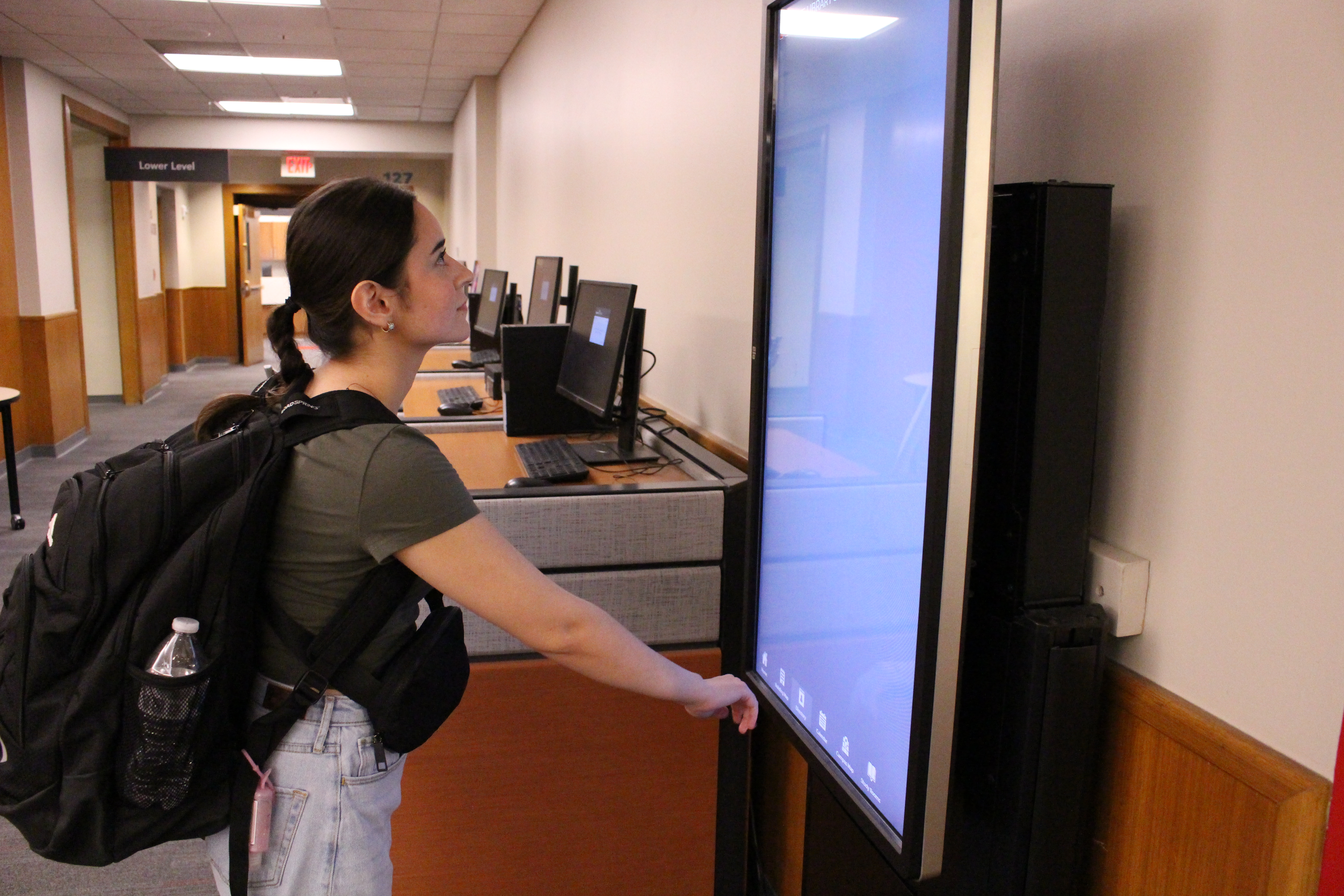
For many years, UNL Libraries has worked to make our spaces and collections accessible to every user. This commitment is central to our mission. As a public academic library, our vision is barrier-free access that enables people to experience transformational encounters with information.
Our efforts to make our digital materials fully accessible has accelerated significantly in the last several months following updates to Title II of the Americans with Disabilities Act (ADA) regulations. Accessibility under the ADA is not new, but these recent updates from the Department of Justice now set clear rules and timelines for meeting Web Content Accessibility Guidelines (WCAG) 2.1, Level AA. These guidelines provide information on making digital spaces accessible to everyone through clear text, good color contrast, alt text for images, captions for videos, and flexible layouts that work across all devices. As a result, people experience digital content that is easier to see, hear, navigate, and understand regardless of how the information is accessed.
Like our peers, UNL Libraries has taken steps to ensure our materials meet the requirements as laid out in the updates to Title II. A digital accessibility task force first met in the fall of 2024 to assess our materials and make plans for achieving compliance with the standards established in the new rule. This group included representatives from all areas of the Libraries. From the beginning, we adopted a strategy that accessibility is a shared responsibility that belongs to everyone.
Though some libraries designate one area of the organization to update digital materials and make them accessible (usually referred to as “remediation”), at UNL we have dispersed the work throughout the Libraries. People with specialized knowledge of the materials—whether it be digital scholarship, or our Libraries web site, or course reserves, or interlibrary loan, or the guides created to help students with research in specific subjects—are working on making those materials accessible. We believe that the only way to achieve our goal of maximum accessibility is to build a culture where we have broadly shared knowledge and responsibility.
In the fall of 2025, we transitioned the task force to the Digital Accessibility Assessment Working Group (affectionately called DAAWG) to track our progress as we tackle the work. We still have major challenges in front of us, as we have enormous amounts of digital content that has been created over the past several decades, but we are encouraged by the progress we are making.
This deadline is not about starting from scratch. Rather, it helpfully identifies a consistent national standard to guide our assessment (WCAG 2.1 AA) and reinforces the work we’ve already been doing to make our digital content easy for everyone to access.
While recent federal regulations have focused our attention on this work in the last several months, we know—and say to each other constantly—that the core motivation for this work is our mission, and that making our materials accessible is the right thing to do regardless of rules and deadlines.
Contributed by: Andrew Jewell, Chair, Digital Strategies and Melissa Sinner, Web Content & Design Specialist, University Libraries