Students interested in pre-health often picture a familiar set of majors—but there’s another path that blends science, problem-solving, and innovation in a powerful way: Biological Systems Engineering with a biomedical focus.
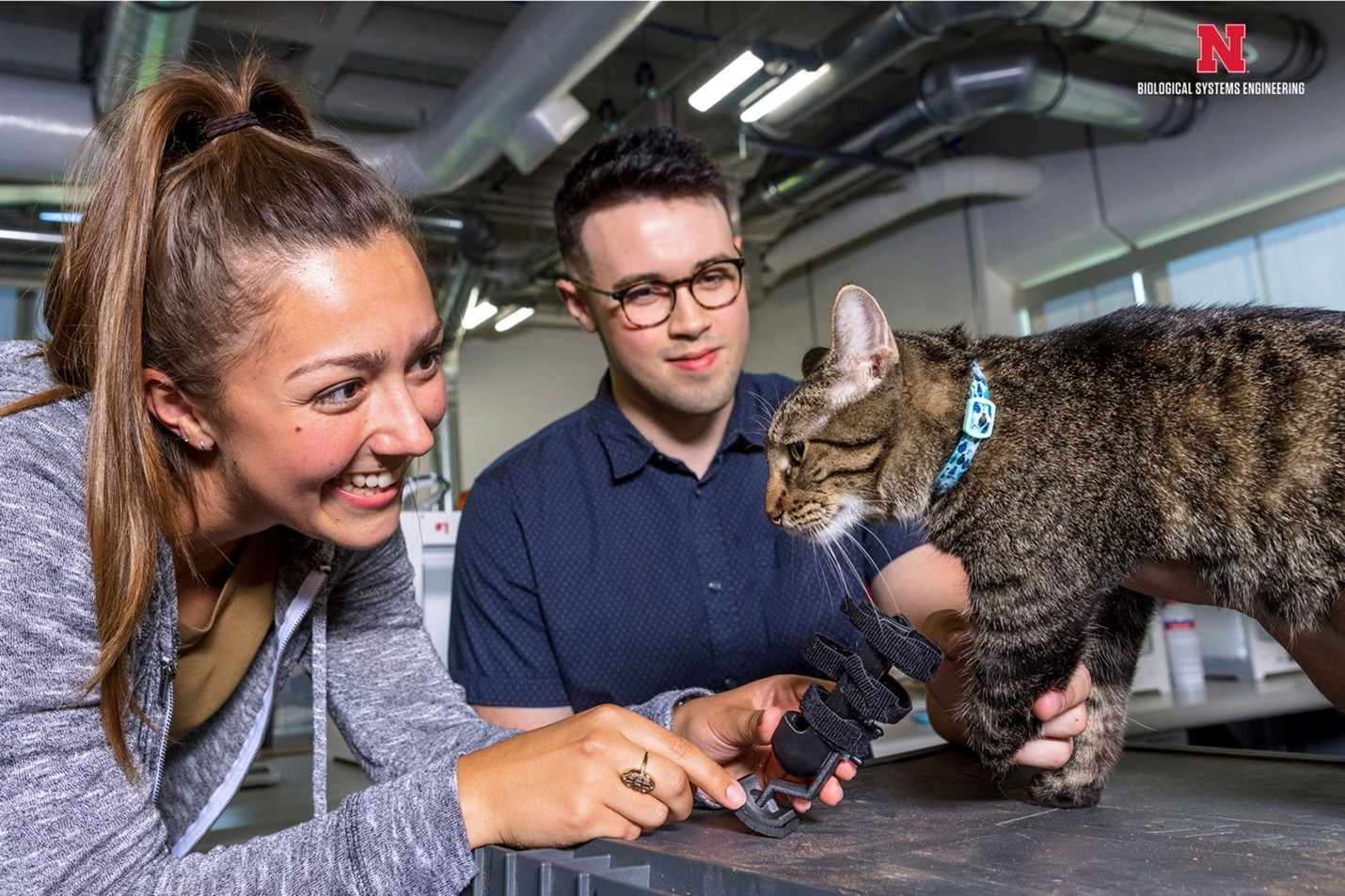
Biological systems engineering sits at the intersection of engineering, biology, and medicine. Students learn how living systems work—and how to design solutions that improve human health. That can mean developing medical devices, exploring biomedical imaging, working with biomaterials, or participating in hands-on research alongside faculty. At the same time, the degree is structured to support all required pre-health coursework, making it a strong option for students planning medical, dental, PA, or other health-related professional programs.
What makes biological systems engineering especially unique is its flexibility and breadth. Some students go on to clinical careers. Others discover a passion for research, medical technology, or innovation in healthcare systems. We’ve even had graduates pursue patent law in the medical device space, combining technical expertise with legal training to protect and advance new technologies. It’s a reminder that a pre-health interest doesn’t have to lead to just one kind of future.
For students who enjoy science, love solving real-world problems, and want a major that keeps multiple doors open, biological systems engineering offers a path that’s both rigorous and refreshingly different. Sometimes the best fit isn’t the most obvious one—it’s the one you didn’t know existed yet.
More details at: http://bse.unl.edu/