By Emily Gratopp, MS, ACSM-CPT, Extension Educator in Lancaster County
Across Nebraska, gardening has long been more than a seasonal hobby — it is a practical, powerful way to nourish families and strengthen communities. At Nebraska Extension in Lancaster County, gardening has become a cornerstone of nutrition security efforts, helping individuals not only access healthy food, but also learn how to grow, prepare and share it.
For years, Nebraska Extension’s Nutrition Education Program (now called Health & Wellbeing) has focused on helping families find, afford, choose and use healthy foods. More recently, a fifth word has taken root: growThis evolution reflects a deeper understanding of nutrition security — not just having enough food, but having consistent access to affordable, nutritious and culturally relevant foods that support wellbeing.
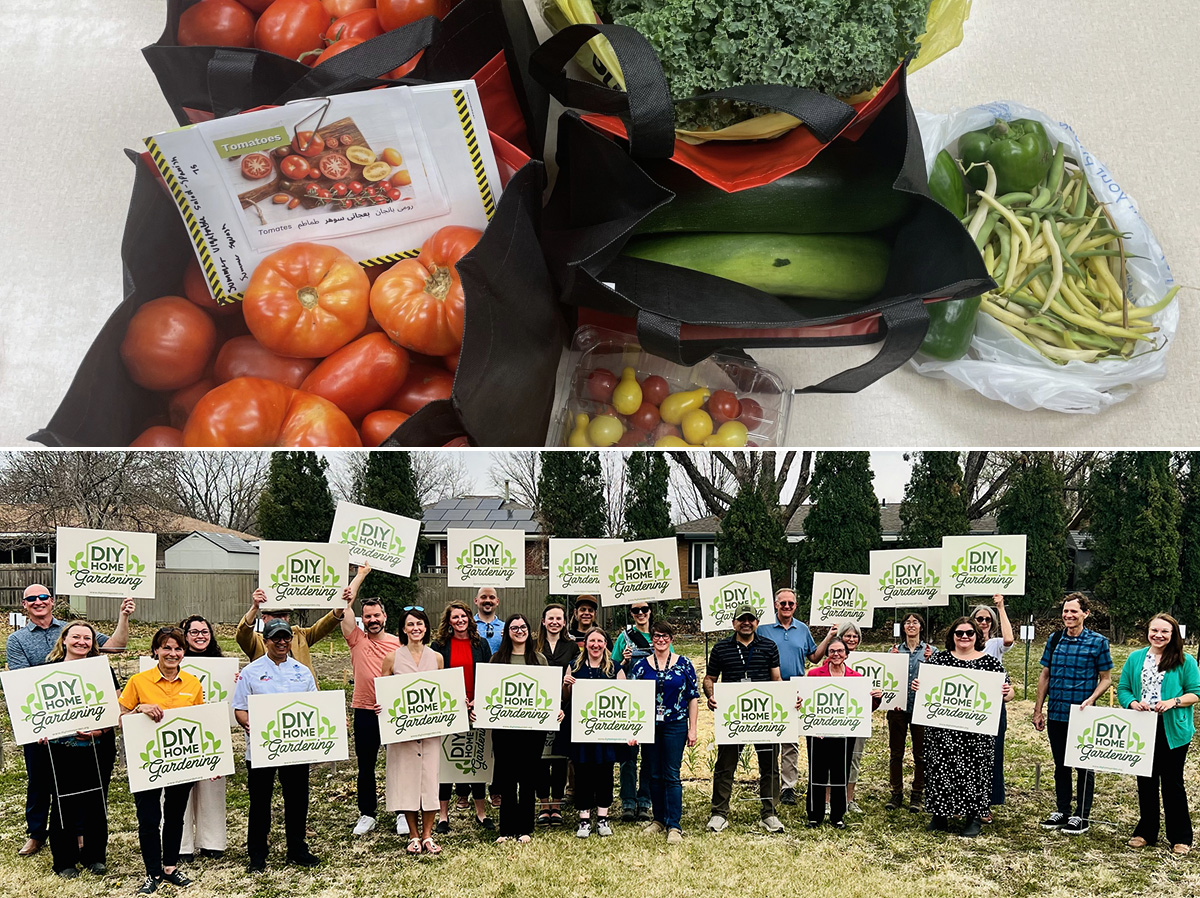
Statewide programs like Growing Together Nebraska bring this vision to life. Since 2019, Extension staff, Extension Master Gardener Volunteers and community partners have worked side by side to establish and maintain four gardens in Lancaster County specifically designed to support local food pantries. These gardens are small in size but mighty in impact: they have collectively grown nearly 11,000 pounds of fresh produce over 6 years, providing free, fresh produce to over 6,000 families.
NUTRITION EDUCATION FOR SEASONAL PRODUCE
The impact goes beyond the harvest. The distribution of harvested produce is paired with nutrition education, recipe kits and cooking demonstrations — ensuring that families not only receive fresh vegetables, but also gain the skills and confidence to prepare them at home.
In 2024, thanks to funding from Farm Credit Services of America, over 600 meal kits were provided to families in Lincoln. The kits included a recipe featuring locally harvested produce (like tomatoes, Swiss chard and zucchini) and included all the ingredients so families could go home and immediately enjoy a healthy meal. To boost confidence in cooking, each family that received a recipe kit also participated in a recipe demonstration, so they could see how the dish was prepared and even how it would taste. Families appreciated having a low-risk way of trying new vegetables and new recipes — without having to go to the store for specialty ingredients.
Nebraska Extension also offers a wealth of free, research-based resources through https://food.unl.edu/seasonal-produce, making it easier than ever to turn fresh, local ingredients into delicious, healthy meals. From seasonal produce guides to simple, budget-friendly recipes, these tools are designed for real life. Whether you’re shopping at a farmers market, participating in a Community Supported Agriculture (CSA) or harvesting from your own garden, these resources help you confidently prepare Nebraska-grown foods.
GROWING AND SHARING CAMPAIGN
This gardening, sharing and nutrition education work is part of a broader, coordinated effort. A coalition of more than 20 community partners has been working together since last March to strengthen Lincoln’s local food system, increase access to healthy foods and build long-term resilience. These efforts align closely with the Mayor’s Community Committee on Local Food and the goals of the Lincoln Local Food Plan, which prioritizes expanding local food production, improving food access and reducing waste.
Momentum for this work has been building. In 2025, the City of Lincoln launched the “Growing and Sharing Campaign” through a mayoral proclamation encouraging residents to grow food locally and share it with neighbors. Building on that success, on March 30 the Mayor again proclaimed the start of the 2026 Growing and Sharing Season and encouraged all residents to grow a garden for better health and share their garden produce to fight hunger and build a stronger, healthier Lincoln. The Plant for Hunger campaign has officially begun and all Lincoln families are encouraged to start a garden, plant a few seeds in a planter, or grow a few extra rows and share the harvest.
The need for local food remains significant. In Lincoln, approximately 1 in 8 individuals experiences food insecurity, with even higher rates among children. At the same time, many residents — especially those in apartments or rental housing — may not have access to gardening space. Growing food for others becomes a tangible way to bridge that gap. All growers are encouraged to donate extra harvest to pantries using https://ampleharvest.org to find a nearby pantry accepting garden donations, along with donation drop-off times. Nebraska Extension in Lancaster County’s office at 444 Cherrycreek Road, Suite A, Lincoln, will also accept fresh, clean fruit and vegetable donations on Tuesdays before 1:30 p.m. and all donations will be transported to a local participating food pantry. Look for the wagon in the lobby to drop off fresh food donations.
For beginning gardeners, Nebraska Extension’s Backyard Farmer resources (https://byf.unl.edu/start-gardening) provide trusted, practical guidance on everything from soil preparation to pest management. Locally, Partnership for a Healthy Lincoln’s Plant-Grow-Share-Build webpage (https://www.healthylincoln.org/what-we-do/healthy-neighborhoods/plant-grow-share-build.html) offers a one-stop shop for local food resilience efforts to help residents garden and share produce, including garden tool sharing. These resources make it easier for anyone — regardless of experience level — to get started and contribute.
If simply donating extra produce is not feasible, updates to Lincoln’s Urban Garden Policy now allow residents to grow and sell unprocessed produce directly from their homes or community garden spaces. Visit City of Lincoln’s information at https://lincoln.ne.gov/UrbanGarden to learn more about the policy and regulations. This shift not only supports gardeners, but also strengthens the local economy and food system.
Gardening also offers benefits far beyond nutrition. It supports mental wellbeing, builds connections across neighborhoods, and fosters a sense of purpose and belonging. When communities grow and share food, they cultivate resilience, generosity and stronger relationships.
This growing season, Nebraska Extension and all coalition partners (see http://www.diyhomegarden.org for the list of partners) invite everyone in Lancaster County to be part of the movement. Start small. Learn using Backyard Farmer resources. Explore recipes and seasonal guides at https://food.unl.edu. Connect with local partners. And when you can — share what you grow.
Together, we can build a community where fresh, local food is not a privilege, but a shared experience — and where something as simple as a garden helps nourish us all.