By Soni Cochran, Nebraska Extension Disaster Education Coordinator and Owen Eickhoff, A1712 Grant Program Coordinator
Wildfires have been on many Nebraskans’ minds over the past several weeks. Warm, dry conditions paired with strong winds caused fires to spread very quickly. On March 12, several large wildfires broke out across the state, affecting communities both rural and urban.
The most damaging fires have occurred in western and north central Nebraska. The largest of these was the Morrill Fire near Ogallala. This wildfire is the largest in Nebraska history and the ninth largest in the United States. It burned more than 600,000 acres, and its fire perimeter stretched over 1,000 miles, roughly the length of the state of Nebraska.
LANCASTER COUNTY FIRES
While large fires burned to the west, eastern Nebraska also experienced wildfires. This region typically has a lower wildfire risk, but several fires started near populated areas. Wildfires were reported in Fillmore, Saline, Seward, Jefferson, Lancaster, Gage and Nemaha counties.
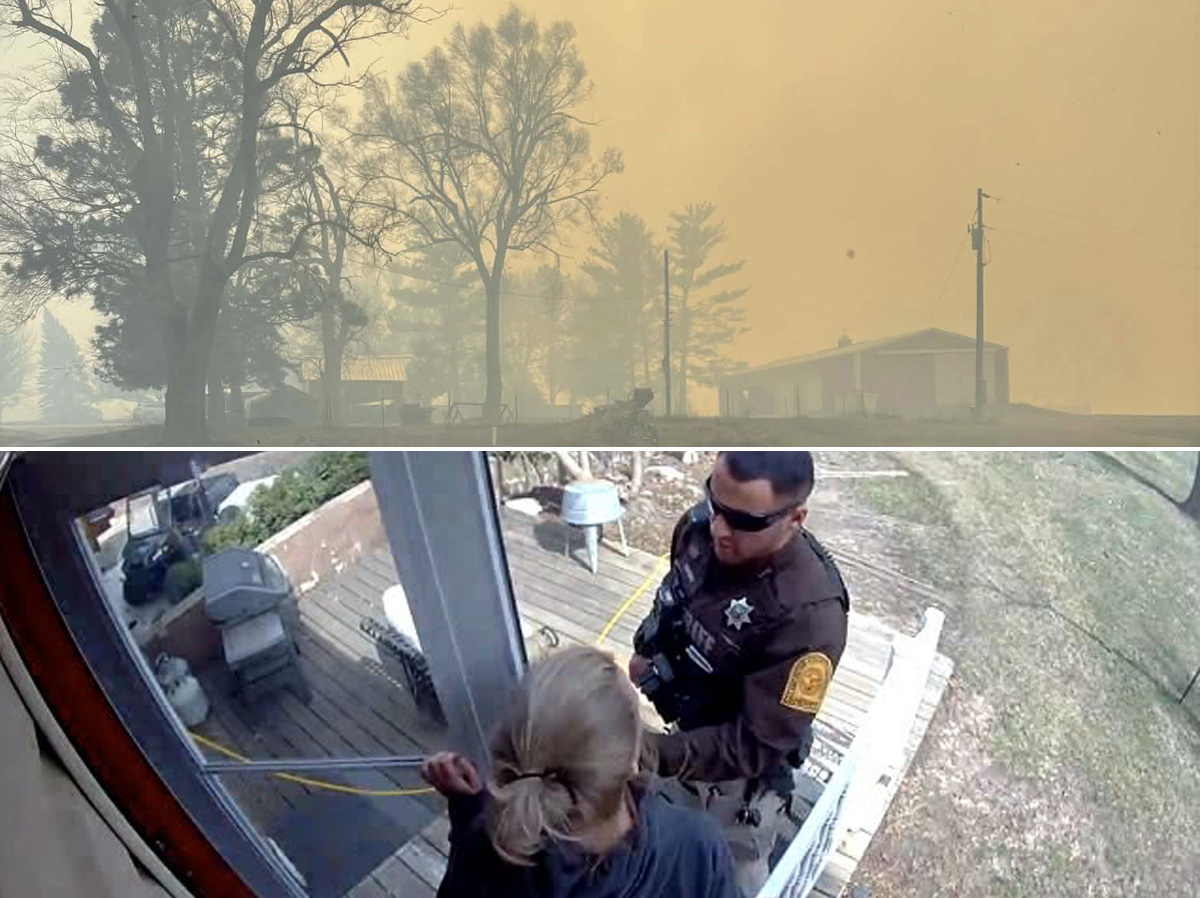
In southwestern Lancaster County, law enforcement reported four separate fires on March 12. The fires spread quickly, driven by strong winds. Volunteer fire departments were able to contain the fire, but road closures and evacuations were still necessary. Homes and farms were temporarily evacuated, and fires in Lancaster, Gage and Saline counties led to closures on Nebraska Highways 33 and 77. Fortunately, there were no reported injuries or deaths, and only a few structures were damaged.
This is the second time in recent years, when residents in the area were evacuated. In October 2022, fast moving fires near the town of Hallam and Olive Creek State Recreation Area forced people to leave their homes along with cattle and horses. Those fires burned more than 9,000 acres and injured two firefighters.
___________________________________
A Rural Lancaster County Resident’s Account of a March 12 Wildfire Evacuation
“We’ve always prepared for things like blizzards and tornadoes. Wildfire just wasn’t something we ever thought we’d have to plan for.
Back in October 2022, we were evacuated when a fire ran through farmland near us. I never imagined that here in Lancaster County we’d need to be ready to leave our home because of fire. Now it’s happened twice.
On March 12, things changed fast. We went from smelling smoke to a sheriff’s deputy at the door telling us to evacuate. The smoke made it hard to breathe, and our only focus was getting our family and pets out safely. Our farm animals had to stay behind, but I was close enough to open the pens if I needed to. I’m thankful first responders were able to get the fire under control. We also learned a hard lesson through all of this. You really do have to be ready for anything now, even things you never thought would happen here. Thanks to what we learned the first time and the guidance from Nebraska Extension; we were better prepared this time.”
—Stephanie McReynolds
___________________________________
WILDFIRE PREPAREDNESS TIPS
Although eastern Nebraska usually has a lower wildfire risk, these recent fires are a reminder that wildfires can happen anywhere in the state and during any season. Everyone is encouraged to take steps now to prepare their families, homes, acreages and farms.
Make a Plan, Build a Kit, Practice Your Plan
Taking a few basic steps can make a big difference during an emergency:
• Make sure your cell phone can receive emergency alerts.
• Follow trusted local news and social media sources.
• Create a family communication plan in case you are not together.
• Make an evacuation plan with more than one route and know where you will go.
• Practice your plan and include everyone in the household.
Build a “Go Bag” for Your Family
A “Go Bag” is an easily accessible, easy-to-carry kit pre-packed with 72 hours’ worth of emergency supplies. Consider using a sturdy backpack or duffle bag. Each family’s emergency kit will look different, but common items include:
• Food and water
• Prescription medications
• Flashlights and extra batteries
• A first aid kit
• A whistle
• Important documents and contact lists
• Extra clothing
• Pet supplies
• Optional items such as masks, goggles and gloves
If an emergency occurs, always follow instructions given by first responders and local officials. If you are told to evacuate immediately, do not wait.
Create Defensible Space Around Your Home
Creating defensible space around homes and outbuildings can help reduce wildfire damage. These steps are most effective when done before a fire occurs. The objective of managing a fire smart landscape is to reduce the amount of fuel. Dead or dried plants, branches and leaves need to be removed. To learn more about fire smart landscaping, visit https://go.unl.edu/fire-smart-landscaping.
___________________________________
FOR MORE INFORMATION
See Nebraska Extension’s Disaster Education information and resources to help you prepare for, and recover from, disasters at https://disaster.unl.edu